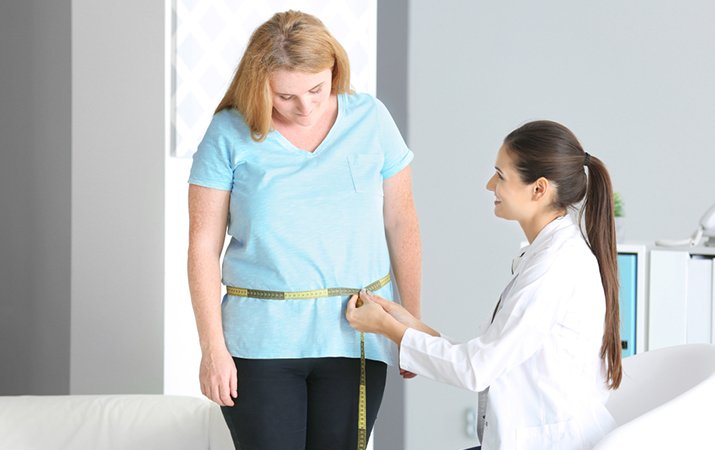
Losing weight can feel overwhelming, especially when diets and exercise don’t seem to deliver the results you want. In today’s health-focused world, many people are turning to weight loss treatment options designed to support long-term transformation. These treatments range from medical programs and prescription medications to lifestyle coaching, minimally invasive procedures, and personalised nutrition plans. The goal is simple: help individuals achieve healthy, sustainable weight loss while improving their overall wellbeing.
Understanding the Need for Weight Loss Treatment
Obesity and excess weight are linked with a variety of health concerns such as type 2 diabetes, hypertension, sleep apnea, and joint issues. When traditional weight-loss methods fail, it can impact confidence, motivation, and daily life. That’s where weight loss treatment becomes valuable. It provides structured support, medical supervision, and evidence-based strategies that increase the chances of long-term success. Instead of relying on trial-and-error dieting, patients follow a reliable, proven plan designed specifically for their needs.
Medical Assessment: The First Step in Weight Loss Treatment
Every effective weight loss treatment begins with a thorough medical evaluation. Healthcare professionals assess your BMI, lifestyle habits, medical history, hormone levels, and nutritional deficiencies. This assessment helps identify the underlying causes of weight gain—whether it’s metabolic issues, stress, sleep problems, or hormonal imbalance. Once the root causes are clear, doctors create a treatment strategy that is safe, personalised, and sustainable.
A proper assessment also ensures that patients avoid unsafe crash diets and instead follow professionally guided methods.
Types of Weight Loss Treatment
There are various approaches used depending on individual goals, body type, and medical requirements. The most popular and effective options include:
1. Prescription Weight-Loss Medications
Medications such as appetite suppressants, fat-blockers, and metabolic boosters are used when lifestyle changes alone aren’t enough. These are often recommended for individuals with a BMI of 30 or above, or those facing weight-related medical conditions.
Prescription medicines work by reducing appetite, increasing energy usage, or preventing the body from absorbing fat. They are always used under medical supervision as part of a broader weight loss treatment plan.
2. Behavioural and Lifestyle Therapy
Weight loss is not just physical — it’s strongly linked with habits and mindset. Behavioural therapy helps people understand their eating triggers, stress patterns, and emotional connections with food.
This approach includes:
- Meal planning
- Daily activity guidance
- Stress management
- Sleep improvement strategies
When combined with other methods, behavioural therapy significantly enhances the effectiveness of weight loss treatment.
3. Nutritional Counselling and Meal Planning
A balanced diet is foundational, but many people struggle to create and follow meal plans. Nutritionists guide patients through calorie control, portion sizes, macronutrient balance, and food choices that support metabolism. Some plans also include low-carb diets, intermittent fasting, or high-protein therapies, depending on what suits the body best.
This personalised guidance makes weight loss treatment more achievable and less confusing for most individuals.
4. Non-Surgical Fat Reduction Procedures
Modern technology has introduced several minimally invasive treatments that target stubborn fat areas without surgery. These include:
- Cryolipolysis (fat freezing)
- Laser lipolysis
- Ultrasound fat reduction
- Radiofrequency contouring
These treatments sculpt the body by reducing fat cells in specific areas such as the abdomen, thighs, or arms. They are often included as part of weight loss treatment for people who want contouring as well as fat reduction.
5. Bariatric Surgery (For Severe Cases)
For individuals with severe obesity, bariatric surgery may be recommended. This includes procedures such as:
- Gastric sleeve
- Gastric bypass
- Gastric balloon
- Adjustable gastric band
These surgeries significantly reduce stomach size or alter digestion. Bariatric procedures offer dramatic results, but they require long-term lifestyle adjustments and medical supervision.
Benefits of Professional Weight Loss Treatment
Choosing a medically supervised approach offers several powerful advantages:
1. Personalised Plans
Your treatment is designed for your body type, metabolism, and health profile.
2. Higher Success Rate
Patients following a structured program have better long-term outcomes compared to those trying to lose weight on their own.
3. Reduced Health Risks
Effective weight loss treatment lowers the risk of heart disease, diabetes, and other chronic conditions.
4. Better Mental and Emotional Health
Losing weight often leads to improved confidence, increased energy, and reduced stress levels.
5. Long-Term Lifestyle Improvement
Professionals guide patients on how to maintain their results through diet, exercise, and routine habits.
Who Should Consider Weight Loss Treatment?
You may be a good candidate if:
- You struggle with long-term weight gain
- Dieting and exercise haven’t produced results
- You have obesity-related health conditions
- You want a medically supervised program
- You prefer personalised support instead of generic diets
Consulting a healthcare provider helps determine the safest and most effective plan.
Safety and Side Effects
Most treatments are safe when performed under professional supervision. However, potential side effects can include:
- Temporary digestive issues
- Mild discomfort after non-surgical procedures
- Adjustments to medication dosage
- Emotional fluctuations during lifestyle changes
These effects are usually manageable and short-term.
Conclusion
Achieving healthy weight loss is possible with the right support, guidance, and professional care. Whether you choose medical management, nutritional counselling, or minimally invasive treatments, a well-planned weight loss treatment program offers long-term results and improved quality of life. Instead of struggling alone, you can take a structured approach that helps you feel stronger, healthier, and more confident.