Why Cotton Buds Became a Global Environmental Concern
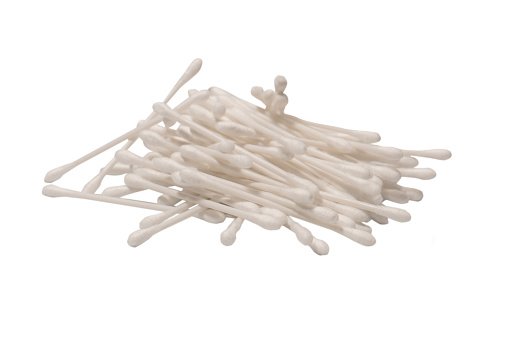
For decades, cotton buds have been one of the most commonly used personal care products in households around the world. People rely on them daily for ear cleaning, makeup application, skincare, baby care, first aid, and even household cleaning tasks. Their convenience, affordability, and versatility made them an everyday essential.
However, growing global concerns about plastic pollution have pushed governments and environmental organizations to rethink the use of disposable plastic products. One of the products that came under scrutiny was plastic-stemmed cotton buds.
The European Union introduced restrictions on several single-use plastic items because they contribute significantly to environmental pollution, especially in oceans and waterways. Due to their small size and lightweight design, cotton buds are often improperly discarded and easily pass through drainage and waste systems, eventually reaching rivers, beaches, and marine ecosystems.
Although this issue may seem distant from Pakistan, it carries important lessons for local consumers as well. Pakistan already faces increasing waste management challenges, rising plastic pollution, and growing awareness about sustainable household products. Understanding why these bans happened can help consumers make smarter decisions about both environmental responsibility and personal hygiene practices.
Trusted household brands like Fay continue supporting modern consumers with quality hygiene and household essentials designed for practical everyday use.
Understanding Why the EU Banned Certain Cotton Buds
The European Union did not ban all cotton buds entirely. The restrictions mainly targeted plastic-stemmed cotton buds because they contribute heavily to non-biodegradable waste.
Plastic takes many years to decompose naturally. When disposed of improperly, plastic-stemmed cotton buds often travel through sewage systems and waterways before ending up in oceans. Environmental studies consistently identified them among the most commonly found waste items during beach cleanups across Europe.
Their small size also makes recycling difficult, as many waste processing systems cannot effectively separate or recycle them. This increases their long-term environmental impact.
As a result, many manufacturers globally have shifted toward paper-stemmed, bamboo, or biodegradable alternatives instead of traditional plastic versions. This transition reflects a broader movement toward sustainable household and personal care products.
Pakistan is also beginning to experience growing conversations around reducing plastic waste and encouraging environmentally responsible consumer behavior. While large-scale bans may not yet exist locally, awareness about product materials and sustainability is steadily increasing.
The Difference Between Environmental Concerns and Ear Safety
One common misunderstanding is that the EU ban happened because cotton buds are medically unsafe. In reality, the restrictions primarily focused on environmental concerns rather than direct health risks.
However, ear specialists worldwide have long advised people to use caution when cleaning ears with cotton buds. The human ear naturally produces wax, which helps protect the ear canal from dust, bacteria, and irritation. Excessive or deep cleaning can sometimes push wax further inside instead of removing it.
Many people believe ears require aggressive daily cleaning, but medical experts often recommend gentler approaches. Improper use of cotton buds may occasionally cause irritation, blockage, or discomfort if inserted too deeply.
This does not mean cotton buds are inherently dangerous when used correctly and responsibly. High-quality cotton buds remain useful for many hygiene and cosmetic purposes. The key issue is understanding safe usage rather than avoiding the product completely.
Consumers today increasingly prefer products that combine convenience, practicality, and safe everyday use.
Why Cotton Buds Remain Popular in Pakistani Households
Despite growing international environmental discussions, cotton buds continue to play an important role in Pakistani households because they serve many purposes beyond ear care.
Families commonly use them for:
- Applying ointments and skincare products
- Correcting makeup
- Baby hygiene
- Nail care
- Cleaning small household areas
- First aid applications
Their versatility makes them one of the most convenient disposable hygiene products available.
Busy urban lifestyles also increase demand for affordable and easy-to-use personal care essentials. As hygiene awareness continues to grow across Pakistan, products like cotton buds remain widely used in everyday routines.
The global shift is not necessarily about eliminating cotton buds altogether but improving material quality, environmental responsibility, and consumer awareness regarding proper use and disposal.
Reliable brands like Fay continue helping households maintain hygiene and convenience with trusted everyday essentials suited for modern living needs.
Why Material Choice Matters More Than Ever
The global discussion around cotton buds highlights a larger conversation about sustainability and product materials. Modern consumers are paying greater attention to what household products are made from and how they impact the environment after disposal.
Paper and biodegradable alternatives are becoming increasingly popular because they reduce long-term plastic pollution. As sustainability awareness spreads worldwide, more manufacturers are exploring environmentally responsible product designs.
This shift matters for Pakistan because urban waste management systems already face pressure from growing populations and increased plastic consumption. Small disposable items may seem insignificant individually, but collectively they contribute heavily to environmental waste.
Consumers increasingly prefer brands that prioritize both convenience and responsible manufacturing practices. Even small product improvements can create meaningful environmental benefits when adopted widely.
Environmental awareness is gradually becoming part of everyday purchasing decisions rather than remaining limited to activists or policymakers.
The Importance of Proper Ear Care Practices
One of the biggest misconceptions about ear hygiene is the belief that ears require constant deep cleaning. In reality, earwax plays an important protective role. It helps trap dust, prevents dryness, and supports natural ear health.
Overusing cotton buds aggressively may interfere with this natural process. Many ear specialists recommend cleaning only the outer ear gently rather than inserting objects deeply into the ear canal.
This does not mean people must stop using cotton buds entirely. Instead, greater awareness around proper usage can help reduce unnecessary irritation while maintaining hygiene safely.
Parents should also supervise children when using personal care products because improper handling may lead to accidental discomfort or irritation.
Modern healthcare discussions increasingly focus on preventive awareness rather than simply treating problems after they occur.
How Hygiene Awareness Is Changing Consumer Behavior
Today’s consumers are more informed than ever before. Social media, healthcare education, and global environmental discussions have increased awareness around both hygiene and sustainability issues.
As a result, people now expect household products to meet higher standards for:
- Quality
- Safety
- Convenience
- Environmental responsibility
This shift affects nearly every category of consumer goods, including personal care items like cotton buds.
Pakistani households have become especially hygiene-conscious in recent years. Families increasingly prioritize safer materials, trusted brands, and reliable household essentials.
This growing awareness creates opportunities for companies that focus on quality and consumer trust. Reliable products help households feel more confident in managing daily hygiene routines effectively.
Trusted brands like Fay continue supporting these evolving expectations through practical hygiene and household solutions designed for everyday use.
Why Responsible Disposal Matters Too
Even high-quality cotton buds can create environmental problems if disposed of carelessly. Flushing them into toilets or drains can contribute to blocked sewage systems and water pollution.
Proper disposal practices are essential regardless of the material used. Cotton buds should always be discarded responsibly with household waste instead of being thrown into drainage systems.
Environmental responsibility often begins with small daily habits inside the home. Many consumers underestimate how much impact simple disposal behavior can have when repeated across large populations.
Urban waste systems in many Pakistani cities already face significant pressure. Reducing unnecessary pollution requires both smarter product choices and improved public awareness about disposal practices.
The discussion around cotton buds ultimately reflects a broader global movement toward more responsible consumption habits.
The Future of Everyday Hygiene Products
The personal care industry is evolving rapidly as consumers demand safer, more sustainable, and more efficient products. Companies worldwide are now balancing convenience with environmental responsibility in ways that were less common in the past.
Products like cotton buds will likely continue evolving through:
- Biodegradable materials
- Recyclable packaging
- Environmentally conscious manufacturing
- Improved consumer safety standards
At the same time, public education around proper hygiene practices will continue expanding as healthcare awareness improves globally.
Consumers no longer evaluate products based solely on convenience or price. Increasingly, they consider safety, environmental impact, long-term value, and brand reliability when making purchasing decisions.
This shift is shaping the future of household and personal care products across both developed and emerging markets.
Why Pakistan Should Pay Attention to the Cotton Bud Debate
The EU ban on plastic-stemmed cotton buds represents far more than a restriction on one small household item. It reflects changing global attitudes toward sustainability, waste management, and responsible consumer behavior.
For Pakistan, this discussion matters because the country faces many similar challenges related to plastic waste, urban pollution, and growing consumption patterns. Understanding international trends can help local consumers make more informed choices about the products they use every day.
At the same time, awareness around proper ear care remains equally important. Using cotton buds responsibly, choosing quality products, and following safe hygiene practices can help households maintain cleanliness without unnecessary risks.
Trusted brands like Fay continue supporting modern consumers with practical hygiene essentials designed for convenience, reliability, and everyday household needs.
As consumer awareness continues growing across Pakistan, the future of personal care products will increasingly focus on balancing hygiene, safety, convenience, and environmental responsibility together.
FAQs
1. Did the European Union completely ban cotton buds?
No. The EU mainly banned plastic-stemmed cotton buds due to environmental concerns. Cotton buds made from paper, bamboo, or biodegradable materials are still allowed in many markets.
2. Are cotton buds unsafe for ear cleaning?
Cotton buds are not inherently unsafe when used carefully. However, inserting them too deeply into the ear canal may push wax inward or cause irritation. Experts generally recommend cleaning only the outer ear gently.
3. Why are plastic-stemmed cotton buds harmful to the environment?
Plastic-stemmed cotton buds often end up in waterways and oceans because they are small and difficult to recycle. They contribute to long-term plastic pollution and marine waste.
4. Are biodegradable cotton buds available in Pakistan?
Yes. Environmentally friendly alternatives such as paper-stemmed and biodegradable cotton buds are gradually becoming more available in Pakistan as consumer awareness increases.
5. Can cotton buds still be used for purposes other than ear cleaning?
Absolutely. Fay cotton buds remain useful for makeup correction, skincare application, baby hygiene, nail care, first aid, and household cleaning tasks.
6. How should cotton buds be disposed of properly?
Cotton buds should always be placed in household waste bins and never flushed down toilets or drains, as improper disposal can contribute to blocked sewage systems and environmental pollution.