
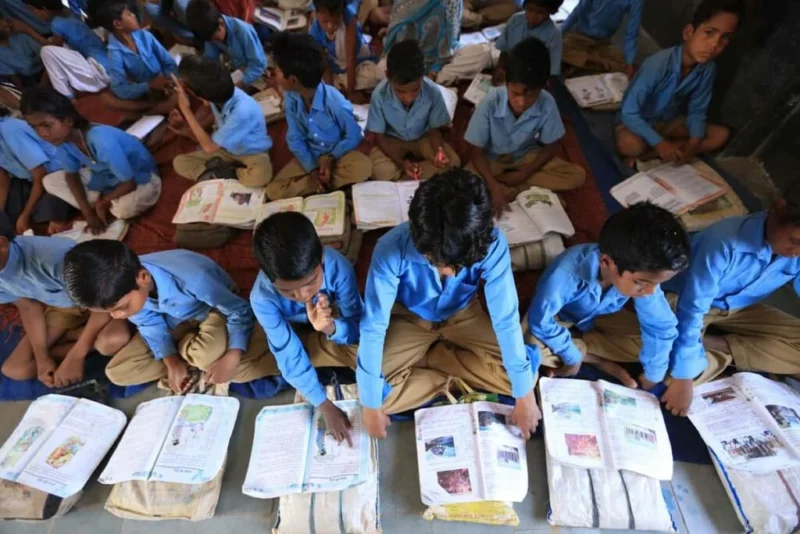
India is home to one of the largest child populations in the world. While many children benefit from access to education, healthcare, and social opportunities, millions continue to live on the margins of society. These children often face poverty, discrimination, exclusion, and limited access to basic services that are essential for healthy growth and development.
Marginalized children in India represent some of the most vulnerable sections of society. They frequently encounter obstacles that prevent them from enjoying their fundamental rights and reaching their full potential. Addressing their challenges is crucial for creating an inclusive and equitable society where every child has the opportunity to thrive.
Organizations such as Cry America support initiatives that work toward improving the lives of vulnerable children by promoting education, healthcare, child protection, and community development.
Who Are Marginalized Children?
Marginalized children are those who experience social, economic, or cultural disadvantages that limit their access to opportunities and essential services. They often belong to groups that face systemic barriers and exclusion from mainstream development.
Examples of marginalized children in India include:
- Children living in poverty.
- Children from tribal and remote communities.
- Street children.
- Child labourers.
- Children with disabilities.
- Orphans and abandoned children.
- Children affected by migration.
- Children from socially disadvantaged communities.
Many of these children face multiple forms of vulnerability, making it even more difficult for them to access education, healthcare, and protection.
Major Challenges Faced by Marginalized Children
Limited Access to Education
Education is one of the most effective tools for social mobility, yet many marginalized children struggle to attend school regularly. Financial difficulties, inadequate infrastructure, long travel distances, and social discrimination often contribute to low enrollment and high dropout rates.
Without education, children may have fewer opportunities to improve their future livelihoods and break the cycle of poverty.
Poverty and Economic Hardship
Poverty remains one of the leading causes of child marginalization. Families with limited income often struggle to meet basic needs such as food, healthcare, and education.
In some cases, children are required to work to support household income, which can interfere with their education and development.
Poor Healthcare and Nutrition
Many marginalized children have limited access to quality healthcare services. Malnutrition, preventable diseases, and inadequate sanitation continue to affect millions of children across India.
Poor health can impact physical growth, cognitive development, school attendance, and overall well-being.
Child Labour and Exploitation
Economic vulnerability increases the risk of child labour and exploitation. Children may be exposed to unsafe working conditions, trafficking, abuse, and other harmful practices that violate their rights and affect their development.
Social Exclusion and Discrimination
Children may face discrimination based on caste, ethnicity, disability, gender, religion, or socio-economic status. Such exclusion can limit opportunities and negatively affect self-esteem, social participation, and educational outcomes.
Importance of Education for Marginalized Children
Education plays a critical role in empowering marginalized children and creating pathways out of poverty. Access to quality education helps children develop essential knowledge, skills, and confidence.
Benefits of education include:
- Improved employment opportunities.
- Greater financial independence.
- Enhanced decision-making abilities.
- Increased social inclusion.
- Better awareness of rights and responsibilities.
Ensuring equal educational opportunities can significantly improve long-term outcomes for vulnerable children.
Healthcare and Nutrition: Essential for Development
Good health is fundamental to child development. Access to healthcare services, nutritious food, clean water, and sanitation supports children’s physical and cognitive growth.
Programs that focus on child health and nutrition help:
- Reduce malnutrition.
- Improve school attendance.
- Strengthen immunity.
- Support healthy growth and development.
- Enhance learning outcomes.
Investments in healthcare create lasting benefits for children and communities alike.
Child Protection and Rights
Every child has the right to safety, dignity, and protection from harm. Child protection systems are essential for preventing abuse, neglect, exploitation, trafficking, and child marriage.
Effective child protection measures include:
- Awareness and advocacy programs.
- Community-based protection initiatives.
- Access to legal and social support services.
- Stronger reporting and intervention mechanisms.
- Promotion of child rights education.
Protecting children from harm helps create environments where they can learn, grow, and reach their full potential.
The Role of Communities and Families
Families and communities play an important role in supporting marginalized children. Local engagement can help identify challenges early and create support networks that promote child welfare.
Community participation can contribute to:
- Increased school enrollment.
- Better healthcare access.
- Awareness of child rights.
- Prevention of child labour and exploitation.
- Stronger protection systems.
Collaborative efforts often lead to more sustainable and effective solutions.
How Cry America Supports Marginalized Children
Cry America works to improve the lives of vulnerable children by supporting initiatives focused on education, healthcare, nutrition, child protection, and community empowerment. Through partnerships with grassroots organizations and local communities, the organization addresses the root causes of inequality and helps ensure that children receive the support they need.
By promoting access to essential services and strengthening community systems, Cry America contributes to creating opportunities for marginalized children to lead healthier and more fulfilling lives.
Long-Term Benefits of Supporting Marginalized Children
Investing in marginalized children creates positive outcomes that extend far beyond individual lives. When children receive education, healthcare, and protection, they are more likely to become productive members of society.
Long-term benefits include:
- Reduced poverty.
- Improved literacy rates.
- Better public health.
- Greater social inclusion.
- Stronger economic growth.
Supporting vulnerable children helps build more equitable and resilient communities.
Conclusion
Marginalized children in India face numerous challenges that affect their education, health, safety, and future opportunities. However, with the right support systems, policies, and community efforts, these barriers can be overcome.
Organizations like Cry America continue to work toward creating a world where every child has access to education, healthcare, protection, and opportunities for growth. By investing in marginalized children today, society can create a more inclusive, just, and prosperous future for generations to come.
FAQs
1. Who are marginalized children in India?
Marginalized children are those who face social, economic, or cultural disadvantages that limit their access to opportunities and essential services.
2. What challenges do marginalized children face?
They often experience poverty, limited education, poor healthcare, discrimination, child labour, and inadequate access to protection services.
3. Why is education important for marginalized children?
Education helps children develop skills, improve future opportunities, and break the cycle of poverty and social exclusion.
4. How can communities support marginalized children?
Communities can promote education, improve awareness of child rights, strengthen protection systems, and support healthcare initiatives.
5. How does Cry America help marginalized children?
Cry America supports programs focused on education, healthcare, nutrition, child protection, and community empowerment to improve the lives of vulnerable children.

