
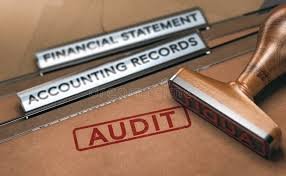
Maintaining accurate financial records is one of the most important responsibilities for any business operating in Sharjah. Whether you run a small startup, a growing SME, or a large corporation, proper bookkeeping and financial documentation are essential for ensuring compliance with UAE regulations and preparing for audits. Poor record-keeping can lead to delays, penalties, compliance issues, and difficulties in making informed business decisions.
An audit is designed to verify the accuracy and transparency of a company’s financial activities. Businesses that maintain organized records throughout the year often experience a smoother audit process and demonstrate greater credibility to investors, banks, and regulatory authorities. This guide explains how businesses in Sharjah can maintain their financial records effectively and stay prepared for audits at all times.
Why Financial Record Maintenance Matters
Financial records provide a complete picture of a company’s operations, profitability, and financial health. They help business owners track income, expenses, assets, liabilities, and cash flow. During an audit, auditors examine these records to confirm that financial statements accurately represent the company’s activities.
Proper financial record management offers several benefits:
- Ensures compliance with UAE accounting regulations.
- Simplifies audit preparation.
- Supports tax and VAT compliance.
- Improves financial decision-making.
- Enhances business transparency.
- Reduces the risk of financial discrepancies.
Businesses that neglect record maintenance often face challenges when auditors request supporting documents for transactions and financial statements.
Keep Accurate Bookkeeping Records
Bookkeeping forms the foundation of all financial reporting. Every business transaction should be recorded promptly and accurately.
Important bookkeeping records include:
- Sales invoices
- Purchase invoices
- Payment receipts
- Bank statements
- Expense records
- Payroll documentation
- Asset registers
Using accounting software can significantly improve accuracy and reduce manual errors. Modern accounting systems automatically categorize transactions, generate reports, and maintain digital records that are easily accessible during audits.
Consistent bookkeeping ensures that financial statements remain accurate throughout the year and eliminates the need for last-minute corrections before an audit.
Organize Financial Documents Systematically
One of the most common audit challenges is locating supporting documents for financial transactions. Businesses should establish a structured filing system that allows quick retrieval of records whenever required.
Financial documents should be categorized into folders such as:
- Revenue and sales
- Vendor payments
- Payroll records
- Tax documents
- Bank reconciliations
- Contracts and agreements
- Fixed asset documentation
Digital document management systems offer additional security and accessibility. Cloud-based storage solutions help businesses maintain backups and reduce the risk of document loss.
Well-organized records save time during audits and create a positive impression on auditors.
Perform Regular Bank Reconciliations
Bank reconciliation is the process of comparing internal financial records with bank statements. This procedure helps identify discrepancies, missing transactions, duplicate entries, and unauthorized payments.
Monthly bank reconciliations are considered a best practice because they:
- Verify transaction accuracy.
- Detect accounting errors early.
- Improve cash flow monitoring.
- Support audit readiness.
Businesses that postpone reconciliations often discover issues during audits, making the process more complicated and time-consuming.
Maintain VAT and Tax Records
Businesses registered for VAT in the UAE must maintain detailed tax records to demonstrate compliance with applicable regulations.
Key VAT-related records include:
- Tax invoices
- Credit notes
- VAT returns
- Import and export documents
- Customer and supplier records
Accurate VAT documentation helps businesses respond confidently to audit inquiries and avoid potential penalties resulting from incomplete tax records.
Maintaining separate files for tax-related documents can simplify both internal reviews and external audits.
Preserve Payroll Documentation
Employee compensation records play an important role in financial audits. Businesses should maintain comprehensive payroll records that clearly document salaries, allowances, bonuses, deductions, and end-of-service benefits.
Payroll documentation should include:
- Employment contracts
- Salary records
- WPS reports
- Leave records
- Employee benefit documentation
Keeping payroll records up to date ensures compliance with labor regulations and supports financial statement accuracy.
Retain Records for the Required Period
Businesses in the UAE are generally required to retain financial records for several years according to applicable legal and regulatory requirements.
Documents that should be preserved include:
- Accounting books
- Financial statements
- Tax records
- Contracts
- Bank records
- Supporting transaction documents
Creating both physical and digital archives can help businesses meet retention requirements while protecting valuable information from loss or damage.
Conduct Internal Financial Reviews
Regular internal reviews help businesses identify issues before an external audit takes place. Management should periodically assess financial records to ensure completeness and accuracy.
Internal reviews should focus on:
- Account reconciliations
- Expense verification
- Revenue reporting
- Asset tracking
- Compliance monitoring
These reviews reduce the likelihood of audit findings and provide opportunities to correct errors proactively.
Businesses that perform quarterly financial reviews often experience smoother annual audits because discrepancies are addressed throughout the year rather than at the last minute.
Implement Strong Internal Controls
Internal controls help safeguard company assets and maintain financial integrity. Effective controls reduce the risk of fraud, unauthorized transactions, and accounting errors.
Examples of internal controls include:
- Segregation of financial duties
- Approval procedures for payments
- Restricted access to accounting systems
- Periodic financial reviews
- Transaction authorization policies
Strong controls create a reliable financial environment and provide auditors with greater confidence in the accuracy of financial records.
Work with Financial Management Experts
Many businesses benefit from professional guidance when establishing financial record management systems. Experienced consultants can help design accounting processes, implement compliance procedures, and improve financial reporting practices.
A professional business management consultant in Dubai can assist companies operating across the UAE by providing strategic advice on financial management, audit preparation, and regulatory compliance. Their expertise helps businesses develop structured financial systems that support long-term growth.
Similarly, partnering with a reliable business management consultant in Dubai can provide valuable insights into best practices for record maintenance, risk management, and operational efficiency. Professional support often helps businesses identify weaknesses before they become significant audit concerns.
Prepare for Audits Throughout the Year
Audit readiness should be an ongoing process rather than a last-minute effort. Businesses that maintain accurate records consistently are typically better positioned to handle audits efficiently.
To remain audit-ready:
- Update financial records regularly.
- Reconcile accounts monthly.
- Review compliance requirements frequently.
- Maintain organized document storage.
- Conduct internal audits periodically.
- Train employees on financial procedures.
Continuous preparation minimizes stress and allows businesses to respond quickly to auditor requests.
Conclusion
Maintaining financial records for an audit in Sharjah requires consistency, organization, and attention to detail. Accurate bookkeeping, proper document management, regular reconciliations, and strong internal controls all contribute to a successful audit process. Businesses that prioritize financial record maintenance not only simplify audits but also strengthen their overall financial management capabilities.
By adopting best practices and seeking professional guidance when necessary, companies can ensure compliance, improve transparency, and build a strong foundation for sustainable growth. Effective financial record management is not just about passing an audit—it is about creating a financially healthy and well-managed business prepared for future opportunities.
