
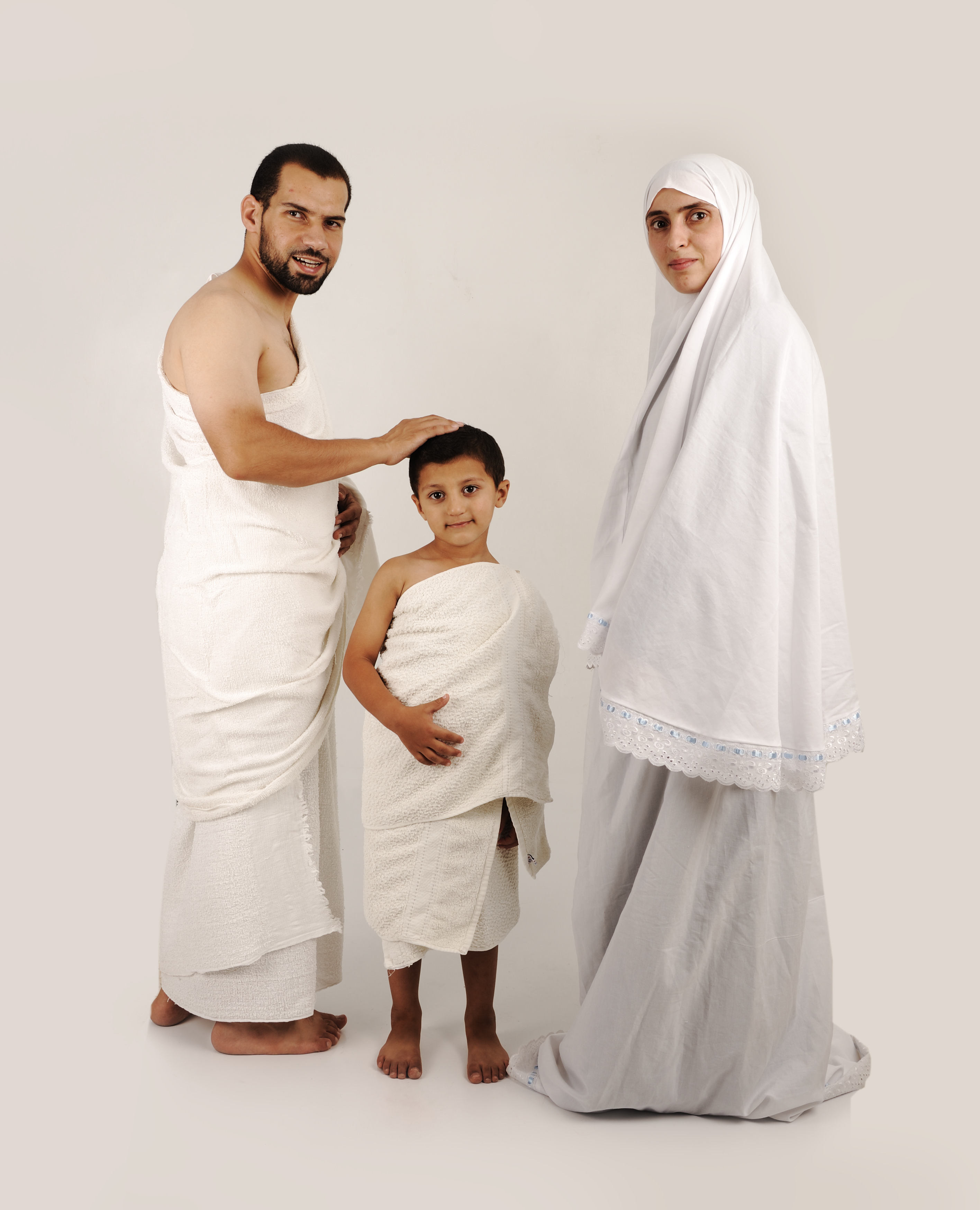
Hajj and Umrah are among the most sacred acts of worship in Islam, yet even sincere pilgrims can fall into common mistakes that reduce the value of their experience or affect the validity of certain rituals. Many of these errors happen not out of carelessness but simply due to a lack of knowledge or preparation. By learning these mistakes before you travel, you can protect your worship, maintain your focus, and make the most of every precious moment in the holy lands.
Neglecting Spiritual Preparation Before Traveling
One of the most overlooked mistakes in Hajj and Umrah is focusing entirely on the physical and logistical side while neglecting the spiritual side of preparation. Many pilgrims pack their bags carefully but do not prepare their hearts, intentions, or knowledge about the meaning behind each ritual. Without sincere intention and spiritual readiness, the journey can feel more like a tourism trip than an act of worship. Before traveling, spend time making dua, reading about the history of the Haramain, and understanding why each ritual was ordained so you arrive with a heart that is already connected.
Entering Ihram Without Understanding the Rules
Ihram is the foundation of Hajj and Umrah, yet many pilgrims make avoidable mistakes during this sacred state. Some men wear stitched clothing or cover their heads while in ihram without realizing these actions are prohibited, while others unknowingly apply scented products such as perfumed soap, deodorant, or garlands that can require expiation. Women sometimes wear restrictive or showy clothing that does not meet the modesty requirements of ihram. Learn the specific rules of ihram clearly before you reach the miqat, and double-check that your clothing, toiletries, and grooming are all compliant before you make your intention.
Performing Tawaf Incorrectly
Tawaf is one of the most important rituals of Hajj and Umrah, but there are several common errors pilgrims make during its performance. Some pilgrims lose count of their rounds and guess instead of keeping careful track, which can affect the validity of their tawaf. Others break wudu during tawaf and continue without renewing it, not realizing that wudu is required throughout the entire seven rounds. There is also a widespread practice of pilgrims reciting dua loudly in unison as a group during tawaf, which disturbs other worshippers and goes against the sunnah of making personal, quiet supplication. Keep a counter, maintain wudu, and recite your duas quietly and personally for a more correct and sincere tawaf.
Touching and Wiping the Ka’bah and Maqam Ibrahim
A very common sight during Hajj and Umrah is pilgrims touching or rubbing the walls of the Ka’bah, Maqam Ibrahim, or even pillars of the Masjid in search of blessings. There is no authentic Islamic evidence that touching these structures grants special blessings, and this practice can also be problematic during ihram since the Ka’bah’s covering is treated with perfume. The only thing confirmed in the sunnah is touching or kissing the Black Stone when it is possible to do so without harming yourself or others. Avoid crowding and pushing others at these locations, and stick to what is authentically established.
Rushing Through Sa’i Between Safa and Marwah
Sa’i between Safa and Marwah is a deeply meaningful ritual that re-enacts the actions of Hajar, yet many pilgrims rush through it as though it is simply a physical exercise to complete. Some also make the mistake of not beginning at Safa or not completing the full seven legs between the two hills correctly. Remember that sa’i starts at Safa and ends at Marwah, and each one-way walk from hill to hill counts as one leg, not one round. Walk with reflection, recite dua, and keep your heart connected to the story of trust and reliance on Allah that this ritual represents.
Making Mistakes During the Days of Hajj in Arafah and Mina
For Hajj specifically, the days of Arafah, Muzdalifah, and Mina contain several areas where pilgrims commonly make errors. One of the most serious mistakes is standing outside the actual boundaries of Arafah, as the standing in Arafah is the central pillar of Hajj and must take place within its designated boundaries to be valid. Some pilgrims also leave Arafah before sunset, which is not permitted and can affect their Hajj. During stoning of the Jamarat, common errors include washing the pebbles unnecessarily, throwing large rocks instead of pebbles, or not making sure the pebbles actually land in the designated pit around the Jamarat. Study a reliable map of Arafah’s boundaries and understand the rules of Jamarat before those critical days arrive.
Skipping the Farewell Tawaf
Many pilgrims, in the rush to reach the airport on time, overlook or skip Tawaf al-Wada, the farewell tawaf that should be the last act before leaving Makkah. According to scholars, this tawaf is obligatory for pilgrims coming from outside the Miqat boundaries, and missing it without a valid excuse requires expiation. Plan your departure schedule in a way that allows time for farewell tawaf before heading to the airport. Leaving Makkah without this final act of worship also means missing a beautiful and emotional opportunity to say goodbye to the Ka’bah and make one last heartfelt dua.
Focusing on Rituals Without Understanding Their Meaning
Many pilgrims know the physical steps of Hajj and Umrah but go through them mechanically without connecting to their deeper spiritual meaning. Tawaf is not just walking in circles; it is placing Allah at the center of your life. Sa’i is not just a walk between two hills; it is an act of trust and reliance on Allah in moments of difficulty. When you understand the meaning behind each ritual, your worship becomes more sincere, more emotional, and more likely to result in lasting change after you return home.
Wasting Precious Time on Shopping and Social Media
Makkah and Madinah offer limited, irreplaceable time in some of the most blessed places on earth, yet many pilgrims waste hours shopping in nearby malls or posting constantly on social media. Every extra hour spent in the Haram making dua, reading Qur’an, or observing nawafil prayers carries immeasurable reward that no material purchase can replace. Set strict limits on your shopping trips and social media activity from the very first day and remind yourself regularly why you made this journey.
Losing Patience and Good Manners in Crowds
The crowds in Hajj and Umrah can be intense, and unfortunately some pilgrims respond to stress with anger, pushing, arguing, or harsh words toward fellow pilgrims. This behavior directly contradicts the spirit of Hajj and Umrah, where patience, humility, and kindness are part of the worship itself. The Prophet ﷺ said that a person performing Hajj should not behave immorally or argue, so maintaining good character in difficult moments is not just a personal virtue but a religious obligation. Practice patience before you travel, remind yourself of this teaching on difficult days, and treat every fellow pilgrim as a guest of Allah just like yourself.
Why Qibla Travels Helps You Avoid These Mistakes
One of the most effective ways to avoid common mistakes in Hajj and Umrah is to travel with a knowledgeable and experienced team that guides you at every step. Qibla Travels provides thorough pre-travel briefings that explain the rules of ihram, the correct performance of tawaf and sa’i, and the specific obligations of Hajj days in Arafah, Muzdalifah, and Mina. Their experienced guides are available on the ground to answer your questions, correct misunderstandings in real time, and ensure that your rituals are performed correctly and with confidence. By choosing Qibla Travels for your Hajj and Umrah, you are not just booking transport and hotels; you are equipping yourself with the support and knowledge needed to make every ritual valid, meaningful, and spiritually complete.
