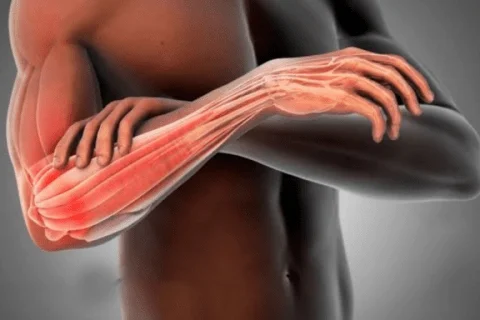
Pain around the elbow can make simple daily activities difficult. Tasks like lifting a cup, typing on a keyboard, shaking hands, or playing sports may suddenly become painful and uncomfortable. Many people ignore these early signs and continue using the arm, which can make the condition worse over time.
People who work on computers, athletes, gym users, painters, plumbers, and even homemakers can develop this problem due to repeated arm movements. Early diagnosis and proper care are important to avoid long-term discomfort and weakness in the arm.
If you are searching for tennis elbow treatment dubai, understanding the condition, its causes, symptoms, diagnosis methods, and treatment options can help you make informed decisions about your recovery. Modern treatment methods now offer both non-surgical and advanced regenerative options that focus on reducing pain and improving movement naturally.
What Is Tennis Elbow?
Tennis Elbow is a condition that causes pain on the outer side of the elbow. It happens when the tendons around the elbow become irritated or damaged because of repeated stress and overuse.
Despite the name, tennis elbow does not only affect tennis players. Many people who repeatedly use their hands, wrists, and forearms can develop this condition. Repetitive movements create tiny tears in the tendon, leading to inflammation, pain, and weakness.
The condition usually develops slowly. At first, the pain may appear only during certain activities, but over time it can become constant and affect daily life.
Common Causes of Tennis Elbow
Several activities and habits can increase the risk of developing tennis elbow. Some of the most common causes include:
Repetitive Arm Movements
Repeated use of the wrist and forearm muscles puts stress on the elbow tendons. This is common in people who type for long hours, use tools regularly, or perform repeated lifting movements.
Sports Activities
Sports such as tennis, badminton, squash, and golf involve repeated arm motion. Poor playing technique or incorrect equipment can also increase stress on the elbow.
Heavy Lifting
Lifting heavy weights incorrectly can strain the forearm muscles and tendons, leading to injury.
Work-Related Stress
Certain occupations are more likely to cause tennis elbow, including:
- Painters
- Carpenters
- Mechanics
- Chefs
- Plumbers
- Office workers
- Gardeners
Aging and Tendon Wear
As people age, tendons naturally become less flexible and more prone to injury. This makes middle-aged adults more vulnerable to the condition.
Symptoms of Tennis Elbow
The symptoms may vary from person to person depending on the severity of the condition. Common signs include:
- Pain on the outer side of the elbow
- Weak grip strength
- Difficulty lifting objects
- Pain while shaking hands
- Discomfort during wrist movement
- Burning sensation around the elbow
- Pain that spreads down the forearm
- Increased pain during activity
In many cases, symptoms develop gradually and worsen if treatment is delayed.
When Should You See a Specialist?
Many people try home remedies at first, but medical evaluation becomes important if:
- Pain continues for several weeks
- Daily activities become difficult
- Grip strength decreases
- Swelling or stiffness appears
- Pain worsens over time
- Rest does not improve symptoms
Early treatment can help prevent long-term tendon damage and speed up recovery.
How Tennis Elbow Is Diagnosed
Proper diagnosis is the first step toward effective treatment. A specialist usually performs a detailed examination to confirm the condition and rule out other problems.
Medical History Review
The doctor may ask questions about:
- Your symptoms
- Work activities
- Sports participation
- Previous injuries
- Duration of pain
Physical Examination
The elbow, wrist, and forearm are examined carefully. Certain movements may be tested to identify pain points and tendon weakness.
Imaging Tests
Imaging tests may sometimes be recommended for better evaluation.
X-Rays
X-rays help rule out arthritis or bone-related problems.
MRI Scan
An MRI provides detailed images of soft tissues, including tendons and muscles.
Ultrasound
Ultrasound imaging can help detect tendon inflammation and small tears.
Non-Surgical Tennis Elbow Treatment Options
Most patients improve with conservative treatment methods. Non-surgical care is often the first step in managing symptoms.
Rest and Activity Modification
Reducing activities that cause strain allows the tendons to heal. Temporary rest is important during the early stages of treatment.
Patients may also need to change certain work habits or sports techniques to prevent further injury.
Ice Therapy
Applying ice packs to the elbow can help reduce inflammation and pain. Ice is usually recommended for 15 to 20 minutes several times a day.
Medications
Pain-relieving medications and anti-inflammatory drugs may help control symptoms for short-term relief.
Physical Therapy
Physical Therapy plays an important role in recovery. A structured rehabilitation program may include:
- Stretching exercises
- Strengthening exercises
- Mobility training
- Posture correction
- Forearm muscle conditioning
Therapy helps restore movement and reduce stress on the injured tendon.
Bracing and Support
Special braces or straps can reduce pressure on the tendon during daily activities. These supports help limit strain while healing occurs.
Lifestyle Changes
Simple changes can help reduce repeated stress on the elbow, including:
- Taking breaks during repetitive work
- Improving workplace ergonomics
- Using proper sports equipment
- Correct lifting techniques
Advanced Tennis Elbow Treatment Methods
Some patients continue to experience symptoms even after trying conservative treatment methods. In such cases, advanced therapies may be recommended.
Regenerative Medicine Treatments
Modern regenerative medicine focuses on supporting the body’s natural healing process. These therapies are increasingly used for chronic tendon injuries.
Stem Cell Therapy
Stem Cell Therapy is a modern regenerative treatment that may help repair damaged tissues. Stem cells are known for their ability to support tissue healing and reduce inflammation.
In tennis elbow cases, stem cell therapy aims to improve tendon recovery naturally while reducing pain and improving movement.
Platelet-Rich Plasma (PRP) Therapy
Platelet-Rich Plasma Therapy uses concentrated platelets from the patient’s own blood. These platelets contain growth factors that may support tendon healing.
PRP injections are often considered for chronic cases that do not respond well to traditional treatments.
Shockwave Therapy
Shockwave therapy uses sound waves to stimulate healing in damaged tissues. It may improve blood circulation and support tendon repair.
This non-invasive treatment is commonly used for chronic tendon pain.
Minimally Invasive Procedures
Some patients with severe tendon damage may require minimally invasive procedures to remove damaged tissue and promote healing.
These procedures are usually recommended only when other treatments fail.
Surgical Treatment for Tennis Elbow
Surgery is generally considered a last option. Most people recover without needing surgery, but severe cases may require surgical intervention.
Surgery may involve:
- Removing damaged tendon tissue
- Repairing torn tendons
- Improving tendon attachment
Recovery after surgery usually includes rehabilitation and physical therapy.
Recovery Timeline for Tennis Elbow
Recovery time depends on several factors, including:
- Severity of the condition
- Duration of symptoms
- Treatment method used
- Patient activity level
- Overall health
Mild cases may improve within a few weeks, while chronic cases can take several months.
Following the recommended care plan carefully is important for long-term recovery.
Importance of Rehabilitation After Treatment
Rehabilitation helps strengthen the elbow and reduce the risk of future injury.
A proper rehab program may include:
- Forearm strengthening
- Grip exercises
- Flexibility training
- Joint mobility exercises
- Gradual return to activity
Skipping rehabilitation can increase the chance of symptom recurrence.
Preventing Tennis Elbow
Prevention is always better than treatment. Several simple steps may help reduce the risk of developing tennis elbow.
Use Proper Technique
Correct sports and lifting techniques reduce stress on the tendons.
Warm Up Before Activity
Stretching and warming up the muscles before exercise can lower injury risk.
Strengthen Forearm Muscles
Strong muscles support the elbow and reduce tendon strain.
Avoid Overuse
Taking breaks during repetitive tasks helps prevent tendon irritation.
Improve Ergonomics
Proper desk setup and posture can reduce strain during computer work.
How Daily Activities Affect Recovery
Many people continue daily habits that unknowingly slow healing. Activities such as prolonged typing, repeated lifting, or heavy gripping can keep irritating the tendon.
Patients are often advised to:
- Limit repetitive wrist movements
- Use supportive braces
- Maintain proper posture
- Avoid lifting heavy objects during recovery
Following these recommendations helps create a better healing environment.
Role of Nutrition in Tendon Healing
Nutrition also supports recovery from tendon injuries. Healthy eating may improve tissue repair and reduce inflammation.
Important nutrients include:
- Protein
- Vitamin C
- Omega-3 fatty acids
- Zinc
- Collagen-supporting foods
Staying hydrated and maintaining a balanced diet may also support the healing process.
Psychological Impact of Chronic Elbow Pain
Long-lasting pain can affect emotional well-being and daily quality of life. Some people experience:
- Frustration
- Sleep problems
- Reduced activity levels
- Stress related to work limitations
Managing pain early and following a structured treatment plan may help patients maintain better physical and emotional health.
Choosing the Right Treatment Plan
Every patient is different. The most effective treatment plan depends on:
- Severity of tendon damage
- Duration of symptoms
- Age and activity level
- Work demands
- Overall health condition
Some patients respond well to conservative care, while others may benefit from advanced regenerative therapies.
An individualized care plan helps improve recovery outcomes and supports long-term elbow health.
Why Early Treatment Matters
Ignoring elbow pain can lead to worsening tendon damage over time. Early diagnosis and proper treatment can:
- Reduce pain faster
- Prevent chronic injury
- Improve arm strength
- Restore movement
- Reduce recovery time
Seeking medical attention early often improves overall treatment success.
Conclusion
Tennis elbow is a common condition that can affect work, sports, and everyday activities. Although the pain may start mildly, untreated tendon damage can become more serious over time. Understanding the causes, symptoms, diagnosis process, and treatment options is important for proper recovery.
Today, many advanced treatment methods are available, including rehabilitation programs, regenerative medicine therapies, minimally invasive procedures, and supportive care plans designed to improve healing and restore movement.
If you are looking for professional guidance for tennis elbow treatment in dubai, consulting an experienced specialist like Dr Marouane Bouloudhnine can help you explore suitable treatment options based on your condition and recovery goals.