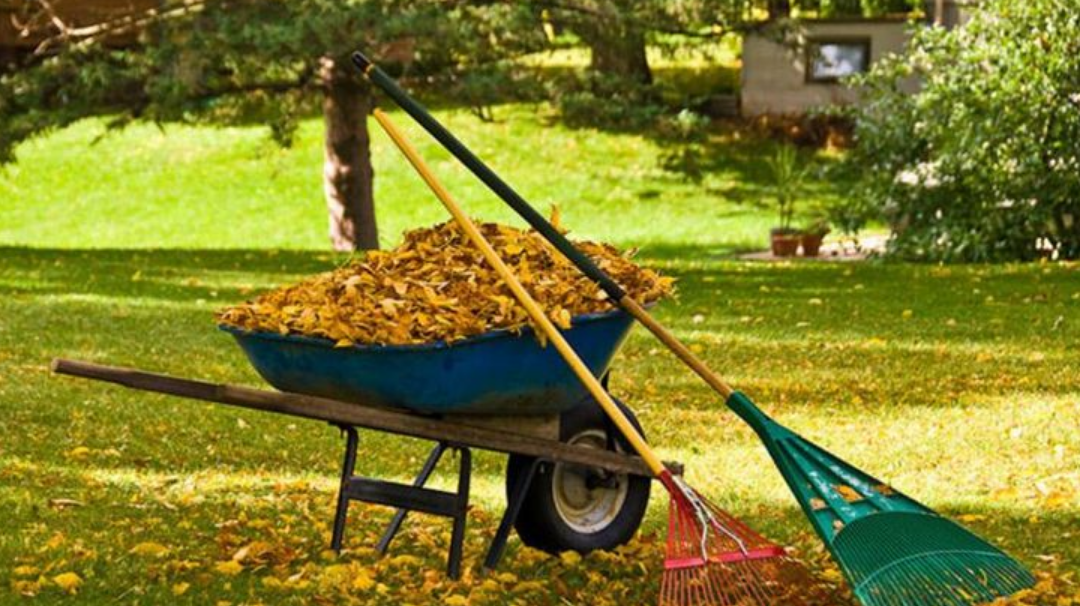
Maintaining a pristine landscape is a year-round commitment, yet many property owners find themselves wondering when the optimal moments are to roll up their sleeves. Determining when homeowners typically tackle lawn cleanup projects depends on a variety of factors, including seasonal transitions, local climate patterns, and specific property needs. Proper yard waste removal is the backbone of these efforts, ensuring that organic debris doesn’t become a sanctuary for pests or a catalyst for lawn diseases. By understanding the timing of these projects, you can keep your outdoor space healthy, functional, and aesthetically pleasing throughout the year.
The Spring Awakening: Post-Winter Revitalization
For the majority of homeowners, the most intensive cleanup occurs during the early spring. As the snow melts and the ground thaws, the remnants of winter—fallen branches, matted leaves, and dead perennials—become visible. This is the primary window for “spring cleaning” the outdoors.
During this phase, the focus is on clearing the way for new growth. Homeowners typically rake away thatch and debris to allow sunlight and oxygen to reach the soil. This is also the time for structural pruning of trees and shrubs before they begin to bud. Dealing with the accumulation of winter debris often requires a coordinated effort to manage organic refuse effectively. Many residents choose to partner with professionals like Iron Bear & Co to handle the heavy lifting of hauling away large piles of brush and old mulch, ensuring the property is prepped for a vibrant growing season.
Fall Preparation: Setting the Stage for Dormancy
The second most common time for significant lawn maintenance is late autumn. As deciduous trees shed their leaves, the workload shifts toward preventing the “suffocation” of the turf. If thick layers of leaves are left on the grass over winter, they trap moisture and block light, often leading to snow mold or patches of dead grass by spring.
Fall cleanup projects usually involve:
- Leaf Management: Raking, mulching, or bagging fallen foliage.
- Perennial Cutbacks: Trimming back spent flowers and stalks to tidy up garden beds.
- Gutter Clearing: Removing organic matter that has fallen onto the roof to prevent ice dams.
This seasonal transition is also a peak period for yard waste removal, as homeowners look to clear out the final remnants of the gardening season before the first frost locks everything in place. Finalizing these tasks in October or November ensures that the property looks manicured even during the bleakest winter months.
Mid-Summer Maintenance: Storm Recovery and Overgrowth
While spring and fall are the “heavy hitters,” mid-summer often brings unexpected cleanup needs. High temperatures and humidity can lead to rapid weed growth and overextended shrubbery that requires hedging. Furthermore, summer is notorious for sudden thunderstorms and high winds that can scatter debris across a well-kept lawn.
What You Should Know about summer projects is that they are often reactive rather than proactive. After a significant storm, homeowners must quickly address downed limbs and scattered twigs to maintain safety and curb appeal. Keeping up with these smaller tasks prevents the “compounding effect,” where a few stray branches eventually turn into an unmanageable mess that requires professional intervention to clear.
Specific Project Triggers: Beyond the Calendar
While seasons dictate much of the timing, specific life events often trigger large-scale lawn projects:
- Pre-Listing Preparation: Homeowners looking to sell their property frequently engage in a “deep clean” of the landscape to boost curb appeal and property value. A tidy lawn suggests a well-maintained home.
- Post-Construction Cleanup: After a renovation or the installation of a new fence or deck, the surrounding landscape often requires significant restoration to remove soil displacement and leftover materials.
- Event Hosting: Preparing for outdoor graduations, weddings, or summer barbecues often pushes lawn cleanup to the top of the priority list.
Why Proper Disposal Matters
Tackling the project is only half the battle; the disposal of the collected materials is equally important. Simply piling brush in a corner of the property can create a fire hazard and attract rodents. Utilizing professional hauling services ensures that organic matter is disposed of responsibly, often being diverted to composting facilities rather than landfills. This eco-friendly approach to property maintenance helps close the loop on the natural cycle of the landscape.
Strategic Planning for Efficiency
To make the most of your cleanup efforts, it is best to work in sections. Start with the “hard” surfaces like driveways and patios, blowing debris onto the lawn where it can be easily raked or vacuumed. Prioritize the removal of large items first—such as fallen tree trunks or old wooden garden borders—before moving on to fine-tuning the beds and edges.
Conclusion
Whether it is the revitalizing energy of spring or the final preparations of autumn, homeowners typically align their lawn cleanup projects with the natural rhythms of the environment. By staying consistent with maintenance and utilizing reliable services for debris management, you can ensure your home remains a source of pride rather than a source of stress. Regular attention not only preserves the health of your plants but also enhances the overall longevity and value of your outdoor living space.